Every spring in Calgary, we get dozens of calls about bird nests in dryer vents. Birds are resourceful — they've figured out that dryer vents offer warm air, shelter from weather, protection from predators, and ready-made nesting material (lint). Unfortunately, what's good for birds is very bad for your dryer and your home's safety.
Why Birds Choose Dryer Vents
From a bird's perspective, your dryer vent is premium real estate:
- Warm exhaust air: Provides consistent heat for incubating eggs, especially important during Calgary's cool spring nights
- Weather protection: The vent hood acts as a roof, shielding the nest from rain and wind
- Predator safety: High off the ground and enclosed on most sides
- Free building material: Lint is soft, warm, and abundantly available right at the nest site
- Familiar location: Once a bird nests successfully in a vent, they (or their offspring) often return the following year
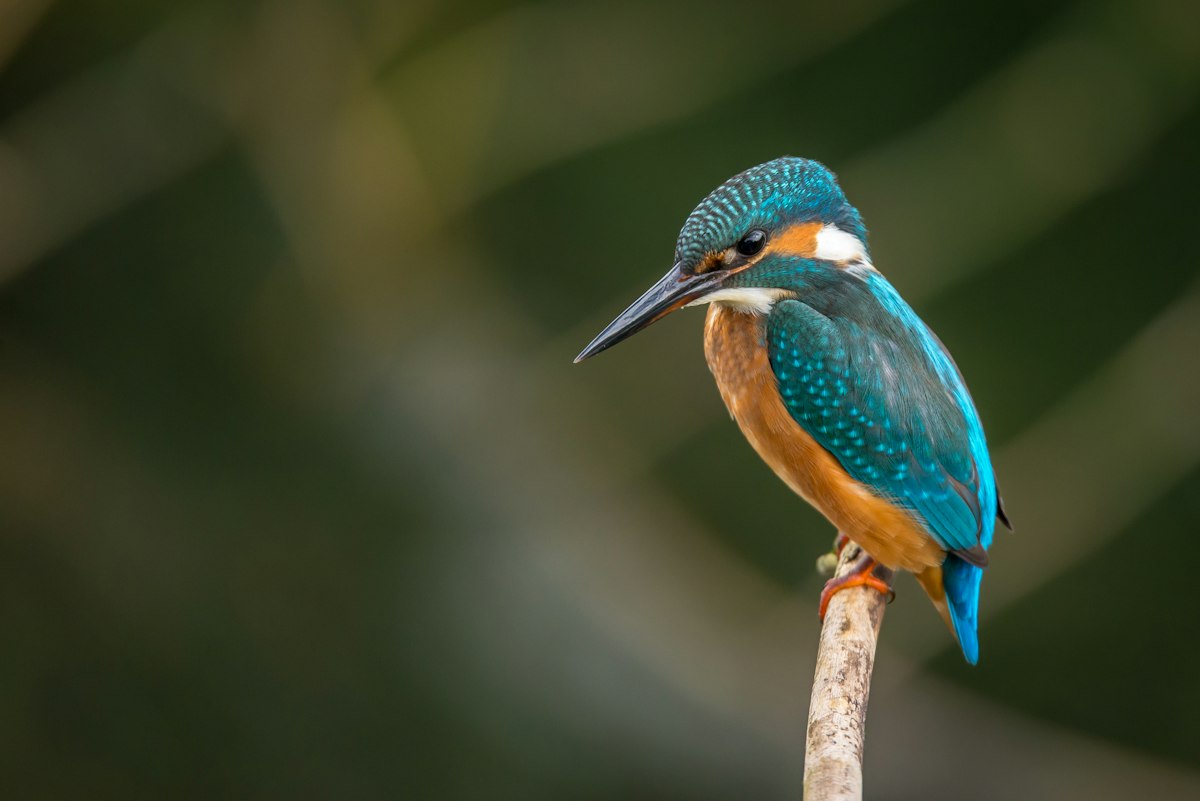
The most common culprits in Calgary are European Starlings and House Sparrows — both cavity-nesting species that actively seek enclosed spaces.
Signs of a Bird's Nest
How to know if you have an unwelcome tenant:
- Twigs, grass, or debris visible at vent opening
- Bird chirping, scratching, or fluttering sounds from the vent area
- Dryer suddenly takes much longer to dry clothes
- Lint accumulating on the exterior wall below the vent
- Bird droppings on your home's exterior near the vent
- Birds repeatedly flying to and from the vent area
Stop using your dryer and call us. We safely remove nests and install guards to prevent re-nesting.
Book Nest RemovalWhy It's Dangerous
A bird nest in your dryer vent creates several serious problems:
- Fire hazard: Dry nesting material (twigs, grass, feathers) combined with hot dryer exhaust is a recipe for fire
- Complete airflow blockage: Even a small nest can block 80-100% of airflow
- Carbon monoxide risk: For gas dryers, blocked vents can cause CO to back up into your home
- Pest introduction: Bird nests harbor mites, fleas, and other parasites that can enter your home
- Dryer damage: Overheating from restricted airflow destroys heating elements and motors
Safe Removal Process
If you suspect a nest, don't try DIY removal. Here's why professionals are necessary:
- Stop using your dryer immediately — running it with a nest inside is a fire risk
- Professional inspection confirms the nest location and whether eggs or chicks are present
- Humane removal using specialized tools — we wait for chicks to fledge when possible
- Complete duct cleaning to remove all nesting material, droppings, and debris
- Camera inspection verifies 100% of material is removed
- Install a bird-proof vent cover to prevent future nesting
Prevention: Bird-Proof Vent Covers
The permanent solution is a quality vent hood with a bird guard — a cage or screen that blocks entry while allowing full exhaust airflow. We install commercial-grade bird-proof vent covers as part of every nest removal service. The cost is minimal compared to dealing with nests year after year.
If you've had a nest before, prevention is especially important — birds return to successful nesting sites. Install a guard before next spring, and you'll never deal with this problem again.